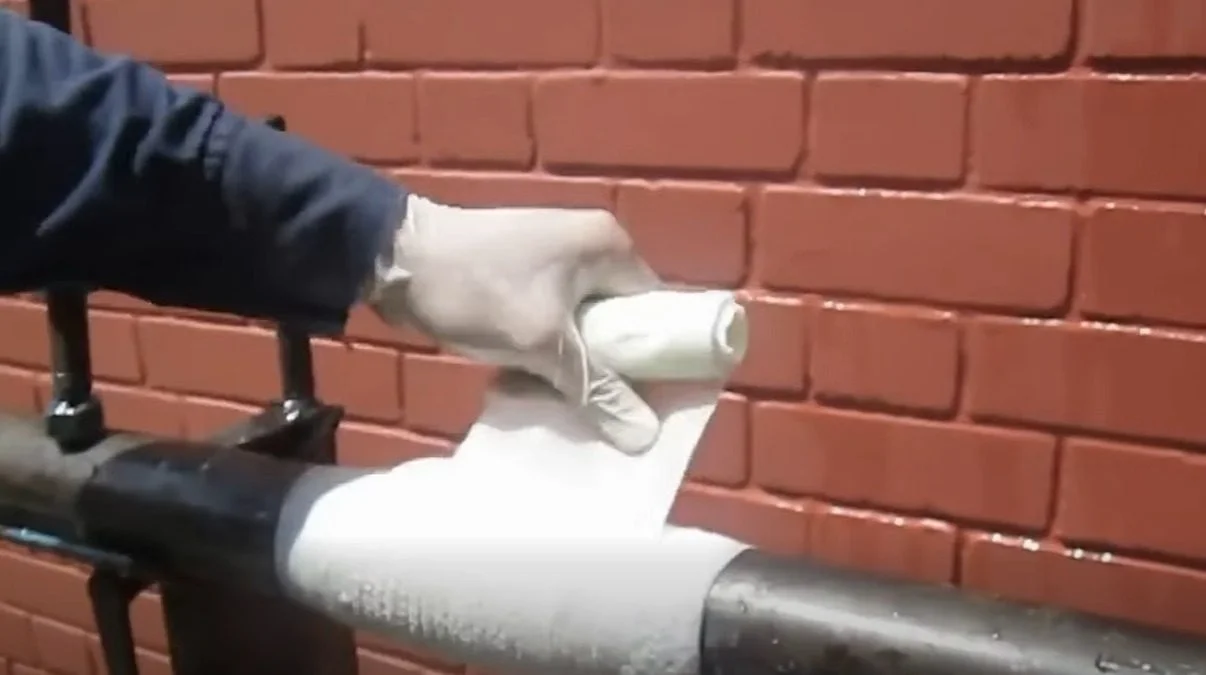
The Three-Phase Physics of Freeze-Thaw Plumbing Catastrophes
Understanding the physical lifecycle of a winter pipe burst reveals why the thaw is the most dangerous hour:
Phase 1: Ice Dam Formation and Hydrostatic Entrapment
When attic temperatures drop below 28 degrees, water begins freezing inward from the pipe walls. Because ice expands volumetrically by nine percent, it acts as an expanding hydraulic piston, pushing unfrozen water against closed faucets.
Phase 2: Longitudinal Pipe Wall Seam Rupture
Hydrostatic pressure inside the closed column between the ice plug and fixture valves escalates past 2,500 to 3,000 PSI.standard Type M copper or CPVC tubing splits along its longitudinal extrusion seam, but the leak is plugged by solid ice.
Phase 3: The Afternoon Thaw and Catastrophic Flood
As outdoor temperatures climb above 32 degrees Fahrenheit, the ice plug begins melting from the outside in. Pressurized municipal water rushes through the split seam, discharging up to 15 to 20 GPM into ceilings and walls.
Phase 4: Thermal Shock in Aging Copper and CPVC
Rapid temperature shifts from 20 degrees to 45+ degrees cause rapid thermal expansion in brittle materials, widening hairline fissures created during the freeze.
Freeze Timeline: From Sub-Zero Ice to Thaw Deluge
| Timeline Stage | Attic Ambient Temp | Physical State of Pipe & Water | Homeowner Observation |
|---|---|---|---|
| Onset of Freeze (Night 1) | 28 deg F down to 18 deg F | Ice dams form inside exposed copper; pressure builds | Faucets stop running or flow reduces to trickle |
| Deep Arctic Freeze (Night 2) | 15 deg F down to 5 deg F | Trapped hydraulic pressure > 2,500 PSI; pipe splits open | Zero water flow; pipes frozen solid; no visible leak |
| Early Thaw Phase (Day 3 AM) | 30 deg F to 34 deg F | Ice begins melting at pipe perimeter; water trickles | Faucets begin spitting air and rusty water |
| Full Thaw Deluge (Day 3 PM) | 35 deg F to 50+ deg F | Ice plug completely liquefies; 80 PSI water gushes out | Catastrophic ceiling collapse; water pouring through light fixtures |
How to Protect Your Home During the Critical Thaw Phase
Step 1: Shut Off Main Water Supply BEFORE the Thaw
If your pipes froze during a cold snap, shut off your main interior ball valve or city curb stop before outdoor temperatures rise above freezing.
Step 2: Open All Indoor and Outdoor Faucets
Open every fixture halfway to relieve trapped air and hydraulic pressure as the plumbing system warms up.
Step 3: Inspect Unconditioned Attics and Chases
Carefully access your attic using walkboards and inspect copper and PEX lines for visible bulging, splits, or frost buildup.
Step 4: Slowly Reintroduce Water Under Observation
Once the home is fully warm, have one person watch the water meter dial while another slowly opens the main shutoff valve.
Step 5: Immediate Emergency Isolation if Meter Spins
If the water meter dial spins rapidly while all fixtures are off, shut off the main valve instantly and call (972) 472-8198 for acoustic leak localization.
Serving All Allen Neighborhoods During Post-Freeze Thaws
Our emergency thaw and repair crews provide rapid dispatch across Twin Creeks, Watters Crossing, Starcreek, Suncreek, Bethany Lakes, Montgomery Farm, Shadow Lakes, and Ridgeview Crossing.
Frequently Asked Questions
Why didn't my pipe leak when it was 15 degrees outside?
Because the water inside the pipe was frozen solid. The ice plug sealed the split in the pipe wall. Once temperatures warmed up and melted the ice, water began gushing out.
What should I do if my pipes are frozen and haven't thawed yet?
Shut off your main water valve immediately. That way, when the pipes thaw, pressurized water will not flood your home if a line has split.
How can I safely thaw a frozen pipe before it warms up outside?
Use controlled, flame-free heat sources such as electric heating blankets or warm air from a hairdryer. Never use an open flame blowtorch.
Can PEX pipe survive a freeze-thaw cycle without breaking?
Uponor PEX-a can expand up to three times its diameter to accommodate freezing ice and shrink back when thawed. However, brass and plastic fittings connected to PEX can still crack.
Does insurance cover damage if a pipe breaks during the thaw?
Yes. Texas homeowners insurance policies standardly cover sudden and accidental water damage resulting from freeze-related pipe breaks.
24/7 Local Emergency Service & Dispatch Information
When a water pipe breaks, delayed action escalates property damage and structural restoration costs. Contact our local Allen plumbing dispatch team immediately for certified pipe isolation, acoustic diagnostic locating, and permanent mechanical repair.
-
Company Name: Pipe Breaks Allen
-
Physical Address: 209 W Main St, Allen, TX 75013, USA
-
Emergency Telephone: (972) 472-8198
-
Service Territory: Exclusive to the City of Allen, Collin County, Texas (ZIP Codes 75013 and 75002)
-
Hours of Operation: 24 Hours a Day, 7 Days a Week, 365 Days a Year