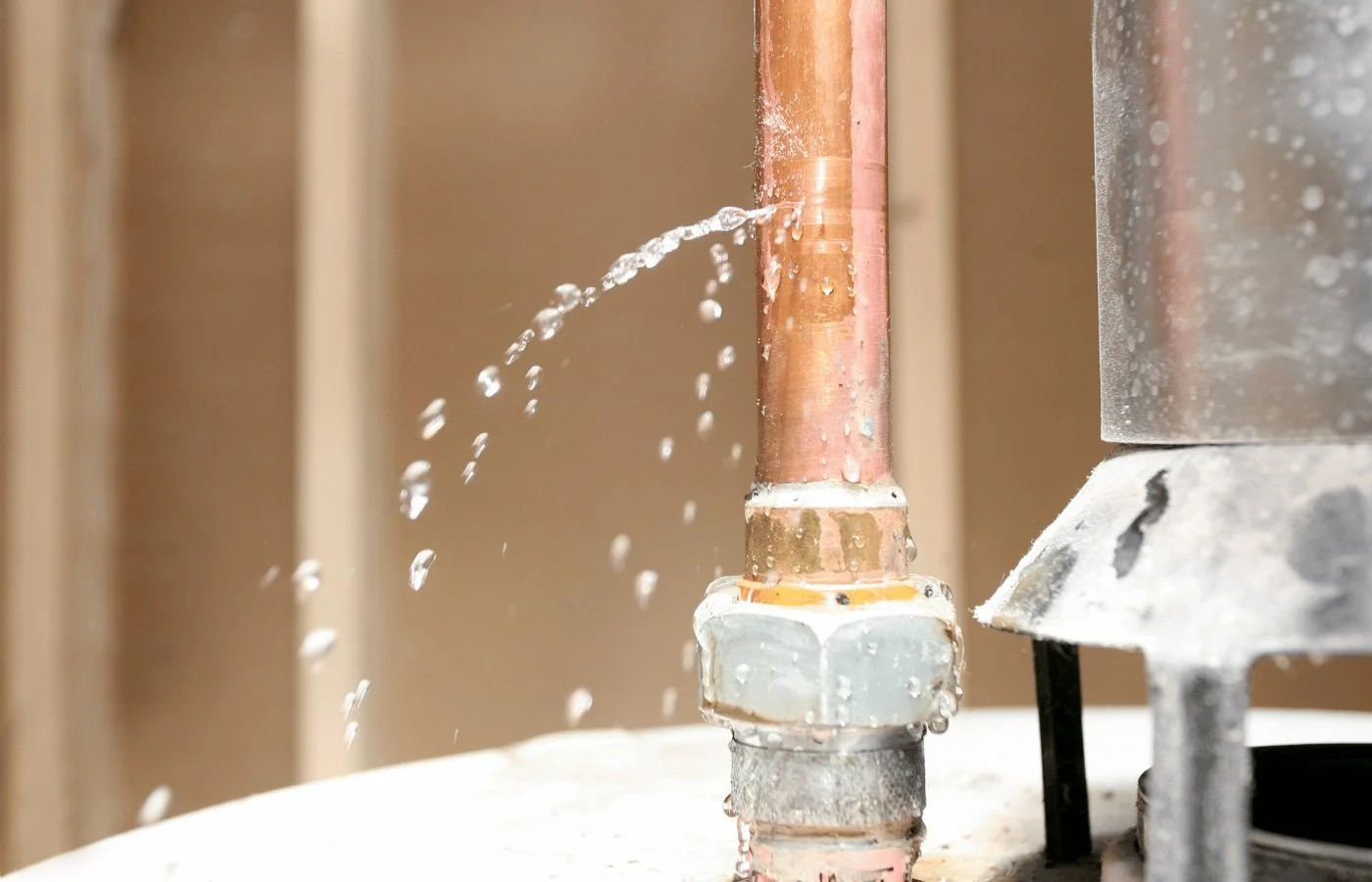
Forensic Causes of Cast Iron Pipe Failure in Allen
Cast iron plumbing degradation in North Texas is driven by predictable chemical and geological mechanisms:
Hydrogen Sulfide and Sulfuric Acid Corrosion
Bacteria in stagnant wastewater generate hydrogen sulfide gas (H2S). When this gas mixes with moisture in the upper half of sewer pipes, it forms sulfuric acid, which corrodes the cast iron crown, while acidic waste eats away the pipe invert (bottom channel).
Bottom Channel Rot and Invert Loss
Over 40 to 50 years of friction and chemical exposure, the bottom channel of cast iron pipes wears paper-thin and rots away completely, leaving raw wastewater to flow directly into native soil.
Graphitization and Structural Embrittlement
Cast iron undergoes graphitic corrosion, where iron flakes leach out of the metal matrix, leaving behind a soft, brittle graphite skeleton that collapses under the weight of overlying concrete slabs.
Houston Black Clay Ground Heave and Shear Fractures
Collin County's expansive clay soils flex foundation slabs during drought and rainfall cycles, shearing rigid cast iron pipes where they penetrate perimeter foundation beams.
Cast Iron Pipe Restoration & Trenchless Comparison
| Restoration Methodology | Structural Impact on Home | Operational Lifespan | Disruption & Execution Time |
|---|---|---|---|
| CIPP Trenchless Epoxy Relining | Zero floor demolition; relined via cleanout | 50+ years; seamless structural pipe-within-a-pipe | 1 to 2 days; fully non-invasive |
| Mechanical Pipe Bursting | Two exterior pits; pulls heavy-duty HDPE pipe | 50+ years; expands drain capacity | 1 to 2 days; yard excavation only |
| Interior Slab Jackhammering | High; tears up tile/wood floors, dust contamination | 50+ years with Schedule 40 PVC | 5 to 10 days; requires temporary home relocation |
| Exterior Under-Slab Tunneling | Zero interior damage; exterior pit alongside beam | 50+ years; replaces pipe from below slab | 3 to 5 days; preserves luxury interior flooring |
Our 5-Stage Cast Iron Pipe Restoration Protocol
Phase 1: High-Definition Video Sewer Diagnostic
We run self-leveling optical sewer cameras through the cleanout to record internal channeling, scale buildup, and structural pipe fractures.
Phase 2: Sonde Radio-Frequency Depth & Path Mapping
Using digital radio-frequency locators, we map the exact path and depth of the failing cast iron pipe beneath your slab.
Phase 3: High-Torque Mechanical Chain Flailing & De-Scaling
We deploy high-speed carbide chain knockers and hydro-milling tools to clear internal rust scale and restore the circular pipe bore.
Phase 4: CIPP Trenchless Epoxy Inversion / Relining
We insert an epoxy-saturated felt liner into the clean host pipe and cure it in place, creating a continuous, seamless, code-approved structural pipe sleeve.
Phase 5: Post-Lining HD Video Verification & Flow Test
We conduct a final camera inspection to verify 100 percent liner adhesion, open branch cutouts, and test wastewater flow under full load.
Cast Iron Sewer Repair Across Established Allen Areas
We restore aging cast iron sewer systems in older Allen subdivisions and historic properties, including original Watters Crossing phases, Bethany Lakes, Windridge, and homes surrounding downtown Allen.
Frequently Asked Questions
What is bottom channel rot in cast iron sewer pipes?
Bottom channel rot occurs when decades of acidic wastewater flow corrode the bottom half of a cast iron pipe until the metal disappears completely, leaving water to drain directly into the dirt beneath your foundation.
Can you repair a cast iron sewer pipe without tearing up my floors?
Yes. Our CIPP (Cured-In-Place Pipe) trenchless epoxy lining creates a brand-new, seamless, high-strength pipe inside your damaged cast iron line using existing cleanout access points, eliminating floor demolition.
How long do cast iron pipes last in North Texas?
In Collin County, cast iron residential drain lines typically last 40 to 60 years before severe corrosion, channel rot, and structural collapse require restoration.
What are the warning signs of a broken cast iron pipe under a slab?
Key warning signs include recurring drain backups in multiple fixtures, sewer gas odors in bathrooms, slow-draining tubs, gurgling toilets, or foundation shifting caused by subterranean sewage voids.
Is trenchless cast iron relining approved by City of Allen plumbing codes?
Yes. CIPP structural epoxy relining meets ASTM F1216 standards and is fully approved by International Plumbing Code (IPC) and City of Allen building guidelines.
24/7 Local Emergency Service & Dispatch Information
When a water pipe breaks, delayed action escalates property damage and structural restoration costs. Contact our local Allen plumbing dispatch team immediately for certified pipe isolation, acoustic diagnostic locating, and permanent mechanical repair.
-
Company Name: Pipe Breaks Allen
-
Physical Address: 209 W Main St, Allen, TX 75013, USA
-
Emergency Telephone: (972) 472-8198
-
Service Territory: Exclusive to the City of Allen, Collin County, Texas (ZIP Codes 75013 and 75002)
-
Hours of Operation: 24 Hours a Day, 7 Days a Week, 365 Days a Year